
OUR RESPONSIBILITY

Where Dogs Really Sleep
We often imagine our dog resting perfectly in the spot we’ve chosen: a styled corner of the living room, on a bed we bought for them, neatly placed beside the sofa.
In reality, dogs frequently choose spaces that feel safe, warm, and familiar. Under tables, stretched out on the sofa, beside furniture, or tucked into unexpected corners.
This behaviour isn’t random. Dogs are guided by instinct and comfort cues: proximity to their humans, protection from open space, and surfaces that feel secure. Not to mention - away from drafts perhaps only they can feel down low, or away from a bright light, child practicing recorder or near the warmth of the oven!
Rather than resisting these preferences, observing them can help you place your dog’s bed more thoughtfully. Positioning it near their chosen resting spot can encourage consistent use while maintaining the comfort they seek.
Or perhaps it's about giving choice, a dog may prefer one space or place to nap in the week but at the weekend when the house is more hectic they may need somewhere just a little away from the action. This is true of dogs getting older too.
Comfort is not about perfection, it’s about understanding what makes your dog feel at ease.
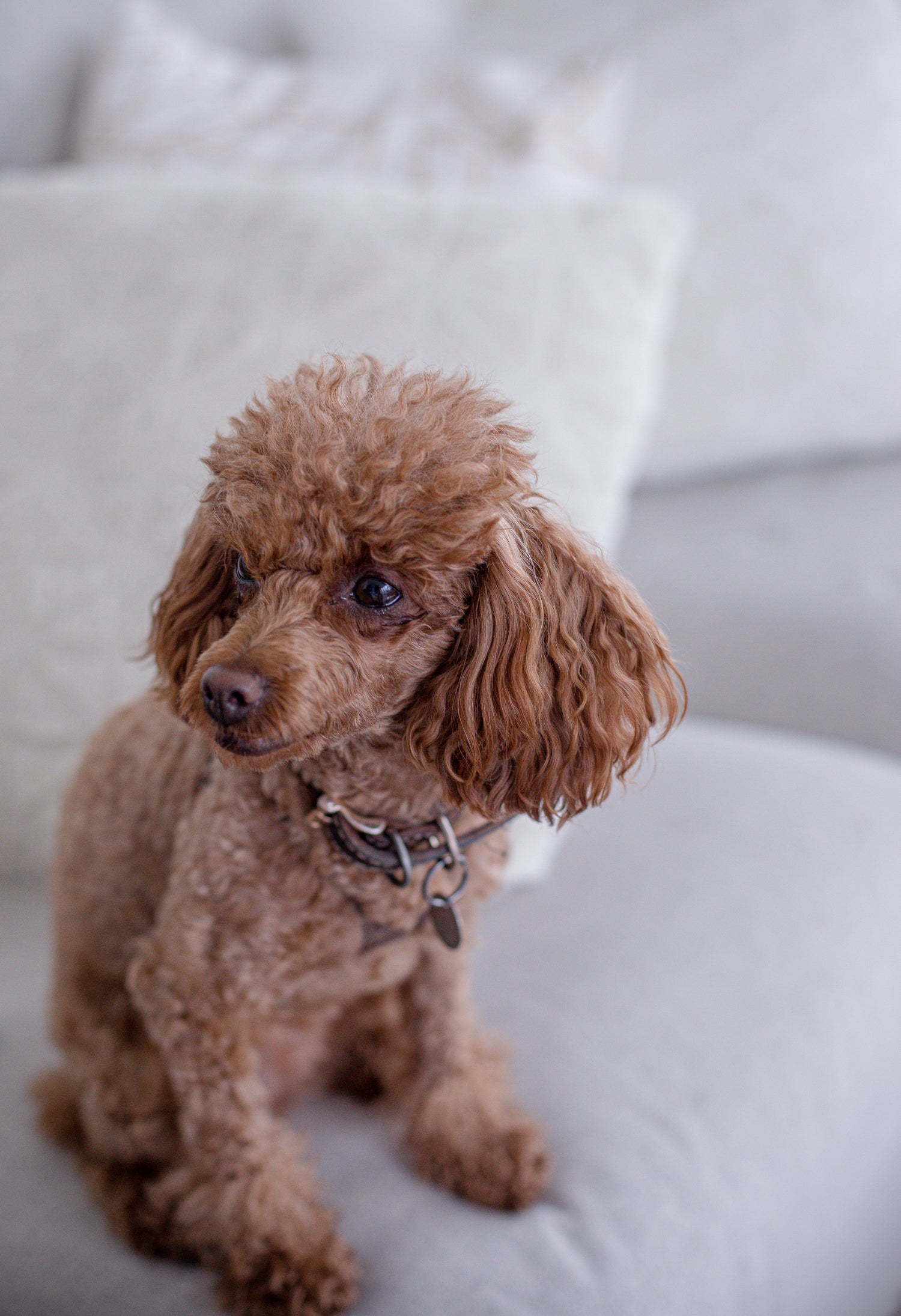
Why Your Dog Might Need More Than One Bed.
Dogs don’t live in just one room, they follow daily rhythms, moving between spaces where family life unfolds.
A bed placed only in a quiet corner may go unused if your dog prefers to remain near you during the day. Providing familiar resting spots in shared areas helps them settle while staying connected to household activity.
In the living room, a bed offers comfort during social time.
In a home office, it provides companionship during working hours.
In the bedroom, it supports calm night routines.
A consistent bed design across spaces can reinforce familiarity, helping dogs relax more quickly wherever they rest.
A dog bed is not simply a place to sleep, it is a portable sense of belonging within the home.
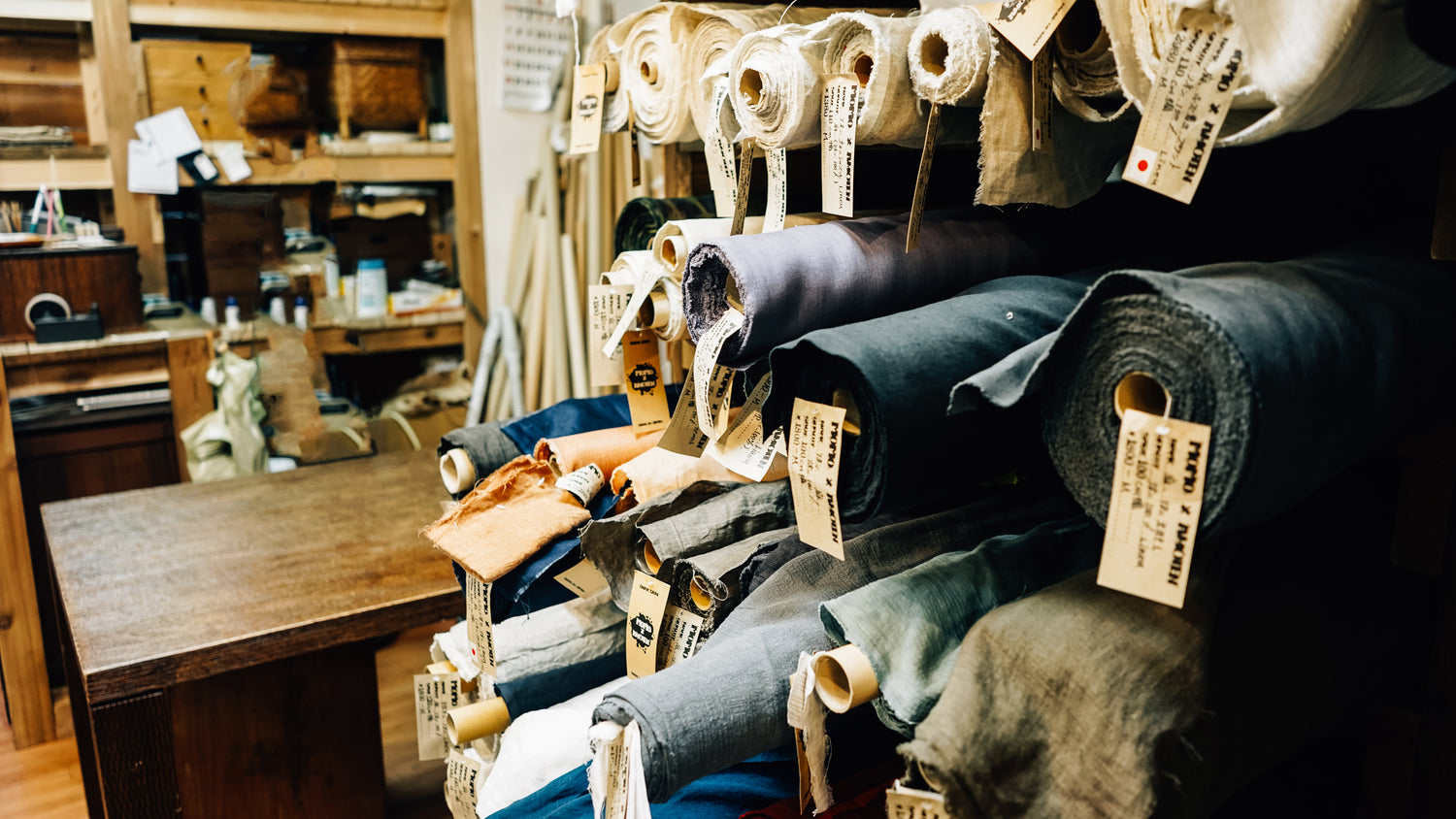
From Deadstock Fabric to Dog Bed
Every textile has a story - a DNA if you like. Some fabrics are produced in excess, orders by brands are cancelled by wholesalers, colours or ranges are discontinued - leaving a surplus, or left unused when collections change. Known as deadstock, these materials are often discarded despite their quality and durability.
Along with working with our partners at Novem Vitas to try and minimise this waste in the first place by changing how the bigger system works we created Circular Living to help in our own small way to make markets for the mountains of deadstock created.
By repurposing deadstock fabrics, we give existing textiles a second life, reducing waste while preserving the craftsmanship and resources already invested in their creation.
In the studio, these fabrics are carefully selected for strength, texture, and longevity. They are cut, shaped, and sewn into beds designed to support years of daily use.
The result is a product that combines comfort, durability, and thoughtful design, while preventing beautiful materials from ending up in landfill.
It’s a quieter kind of sustainability: not producing more, but using what already exists, and using it well.

Spring–Summer Interiors: A Softer Shift for the Season
If the recent return to opulence and dramatic, Wuthering Heights-inspired interiors isn’t for you, the change of season offers a different opportunity: a quieter refresh.
As daylight lengthens and thoughts turn to spring cleaning, many homes shift towards lighter, calmer, more restorative spaces. This year’s interior trends reflect that desire for comfort, softness, and visual ease.
Here are four of the current interior trends shaping homes this spring and summer, and how they influence spaces shared with dogs.
Blue is Back
From soft sky tones to deep inky hues, blue is returning as a grounding colour. Unlike cooler greys, blue adds depth while remaining calm and restorative.
Soft blue textiles, muted navy accents, and washed coastal tones pair naturally with neutral furnishings and natural materials.
For homes with dogs, blue offers practicality as well as calm, it wears well visually while maintaining a serene aesthetic.
Brown on Brown
Warm earth tones are replacing stark contrasts. Layering shades of brown, from soft oat and caramel to deep cocoa, creates depth without visual noise.
This tonal approach feels grounded and timeless rather than trend-led.
Layered neutrals also help pet spaces blend seamlessly into the home rather than standing apart as functional add-ons.
And let's be honest our Cooper & Billy dog beds are right at home in this trend!
Quiet Spaces: Natural Fabrics, Comfort, Layers
Perhaps the strongest shift is towards homes that feel restorative rather than styled.
Natural textures, layered fabrics, and softened edges create environments that invite rest.
Natural materials reinforce this relaxed practical movement. Darker woods, reclaimed timbers, stone, linen, and woven textiles introduce warmth and authenticity while allowing interiors to age gracefully. Rather than striving for perfection, the emphasis is on texture, patina, and materials that improve with use.
These layered environments don’t just benefit people. Dogs settle more easily in spaces that feel calm, predictable, and softly textured.
Comfort is increasingly defined not by excess, but by ease.
Colour Drenching
Rather than feature walls, colour drenching involves enveloping a space in one tone across walls, woodwork, and textiles.
Soft clay, sage, muted blue, and warm neutrals create immersive calm environments that feel cohesive and cocooning.
Picking freestanding pieces
For shared spaces, this approach creates visual harmony, allowing furnishings and dog beds to integrate rather than interrupt.
A Seasonal Refresh That Lasts
Spring refreshes need not mean replacing everything. Small changes, introducing softer tones, layering natural textures, and creating calmer spaces, can shift the feeling of a home.
When interiors prioritise comfort and quiet cohesion, they support rest for everyone who lives there.
Including the dog.

Why Good Sleep Matters for Dogs
Dogs spend a significant portion of their lives asleep, typically 12–14 hours a day, and even more for puppies and older dogs. Sleep is not simply rest; it’s when the body repairs tissue, regulates temperature, and processes daily experiences.
Supportive places to catch some zeds play an important role in maintaining joint health, particularly for active or aging dogs. A bed that distributes weight evenly can reduce pressure on hips, elbows, and shoulders.
Temperature regulation also affects sleep quality. Breathable fabrics, like our natural beds, help prevent overheating, allowing dogs to remain comfortable throughout longer rest periods.
The environment matters too. Calm surroundings, regular temperatures and consistent sleep spaces help dogs relax more fully, encouraging deeper and more restorative sleep cycles.
Just like humans, dogs who sleep well tend to be calmer, more resilient, and more content.

Choosing the Right Bed Size & Spot for Your Dog
Dogs may share our homes, but they don’t all sleep in the same way. A bit like us humans who can be side sleepers, back snoozers or even front face dreamers, dogs all sleep differently. Understanding your dog’s sleep style can help you choose not only the right bed size, but also the best place for it.
The Curled-Up Napper
Dogs who tuck themselves into a tight ball are conserving warmth and seeking security. They tend to prefer a bed with supportive edges, or one placed in a quiet corner where they feel protected.
The Sprawler
Some dogs sleep on their sides or backs with legs stretched in every direction. These sprawlers need more surface area than you might expect. A generously sized bed in an open space allows them to stretch fully and relax their muscles.
The Leaner
If your dog presses against furniture, walls, or your legs while sleeping, they’re seeking reassurance and stability. Placing their bed beside a sofa, wall, or bed frame can provide the contact they find comforting.
The Cuddler
Dogs who always settle close to you value proximity and connection. Consider placing their bed, or should we say beds plural, in shared living spaces during the day and one near your bedroom at night so they feel included and secure.
Placement matters as much as the bed itself.
Dogs sleep best where they feel safe, included, and undisturbed. Avoid draughts, busy walkways, or very isolated areas, whilst they like to have peace and quiet they like to be connected to their family.
A thoughtfully chosen bed, positioned with care, can support deeper rest and better wellbeing over time.

How to Make Your Dog’s Bed Last Years, Not Months
Dog beds shouldn’t be a disposable purchase.
Your dog spends hours every day snoozing, dreaming and generally taking over their spot – so a good bed gets a lot of use.
The good news: with a tiny bit of regular care, you can keep their bed comfy, fresh and supportive for years, not months. That means less waste, less spending, and a much happier dog.
Here’s how to look after your Circular Living bed (and most well-made beds in general).
Brush off dirt between washes
Muddy paws and treat crumbs are part of the deal. The trick is to deal with them before they get ground into the fabric.
- Use a soft brush or a lint roller to remove dry mud, hair and dust.
- Do this once or twice a week, or after a particularly enthusiastic walk.
- Spot clean any little marks with a damp cloth instead of throwing the whole cover straight in the wash.
Why it helps: brushing off dry dirt stops it working its way into the fibres, which can cause abrasion and make fabric wear out faster.
Wash covers at 30°C and line dry
Over-washing at high temperatures is one of the quickest ways to age any fabric. Our beds have removable covers:
- Remove the cover and close any zips before washing.
- Wash at 30°C on a gentle cycle, with a mild detergent.
- Skip fabric softener and bleach – they’re tough on fibres and not great for sensitive skin.
- Line dry or air dry flat. Avoid the tumble dryer where you can.
Why it helps: lower temperatures and air drying are kinder to the fabric and trims, help colours last longer and use less energy. Win–win.
Fluff and turn the inner regularly
Just like your own mattress and pillows, the inner cushion needs a bit of attention to stay supportive.
- Once a week, give the inner a good shake and fluff to redistribute the filling.
- Turn or rotate it so the same spots aren’t always taking the weight.
- If your dog has a favourite corner (they always do), rotate that side more often.
Why it helps: regular fluffing keeps the recycled cotton inner evenly spread, so it supports your dog’s joints instead of going flat in the middle and lumpy at the edges.
A little care = a lot more naps
None of this is complicated, but it makes a big difference:
- Your dog gets a cleaner, comfier place to sleep.
- You get a bed that looks good in your home for longer.
- Fewer beds thrown away = less waste and fewer resources used.
If you’re reading this thinking of that person who never remembers to wash the dog bed cover… send this their way.
More naps, less waste. That’s the idea behind Circular Living. 🐾

Seasons change, so can we: Welcoming Christmas with Conscious Comfort
As the crisp air rolls in and winter it invites us to slow down, reset, and reimagine our spaces and get into the mood to channel some Hygge or slow down a little and prepare for Christmas or the slower January months.
At Circular Living, we believe this seasonal shift is the perfect reminder to align our habits with the natural rhythms around us - starting with how we consume.
Winter is about coziness, but it doesn't have to come at a cost to the planet. That’s why our core range of sustainable homewares and dog beds are made from reclaimed deadstock fabric: surplus materials that would otherwise go to waste. These fabrics, once overlooked, now bring texture, warmth, and purpose to every product we create.
Our dog beds, for example, are a perfect blend of function and sustainability. Durable, stylish, and incredibly comfy, they give your pets a soft place to rest while helping to keep high-quality textiles out of landfill.
By choosing deadstock, you’re making a low-impact, high-value choice. You’re helping close the loop on waste and proving that sustainability can be beautiful, practical, and seasonally inspired.
This winter, let's embrace the changes around us - and make a few of our own. With every purchase, you support a circular future and bring a little more conscious comfort into your home as thoughts turn to Christmas
How else you can channel cosy vibes and not cost the earth:
1. Collect up candle stubs and make your own by heating and purchasing wick - there are loads of tutorials online to guide you to do it safely
2. Gather conkers, crisp dried leaves and pinecones for seasonal displays rather than buying glitter-laden decorations
3. Bake easy treats like cornflake cakes or gingerbread and wrap in brown paper, or make simple shortbreads and thread with ribbon to hang on the tree come December.
4. Use brown paper or even newspaper (the pink one is fab…), butchers string along with little bunches of pine off-cuts from the Christmas tree, some cinnamon sticks or stamp paint patterns, of a snow flake or simple triangle tree, cut from half a potato to make a unique Christmas wrap that involves the whole family.
We hope these tips will help you embrace the changing seasons
#SecondChances #DeadstockFabric #SlowLiving #CircularEconomy #CosyVibes #EcoHome #SustainableLiving #BuyLessBuyBetter #ConsciousConsumption #consumeless #hygge #winter #Christmas #consciouschristmas

Second Chances: Giving Fabric (and Habits) a New Life This Winter
Winter is nature’s quiet invitation to slow down, reflect, and reset. As leaves the air turns crisp, we’re reminded that change can be meaningful, and that letting go can make space for something better.
At Circular Living, we embrace this seasonal shift as a metaphor for the work we do: breathing new life into forgotten materials through thoughtful, sustainable design. One of the most impactful changes we champion is giving deadstock fabric a second chance.
What is Deadstock Fabric?
Deadstock is surplus or leftover fabric from fashion and interior production runs. These materials may have been overordered, discontinued, or simply forgotten, but they're often high-quality, unused, and perfectly functional. Sadly, much of this fabric is discarded or incinerated because it's no longer considered commercially viable.
Instead of letting that go to waste, we transform it into long-lasting products like:
- Cozy dog beds
- Sustainable home accessories
- Limited-run seasonal items
By doing so, we reduce the demand for virgin materials and help close the loop on textile waste. We also create limited run colourways of our cosy, comfortable dog beds.
Why It Matters
Globally, the fashion industry generates over 92 million tonnes of textile waste every year, and only about 20% of that is reused or recycled. In the UK alone, over 1.4 million tonnes of textiles are discarded annually, often while still perfectly usable (WRAP UK).
Choosing reclaimed deadstock helps:
- Conserve water, energy, and raw materials
- Reduce landfill waste and emissions
- Support circular, low-impact production systems.
How to Give a Second Chance This Season
Here are five small but powerful ways to make the most of autumn’s reset energy:
- Re-wear and re-style pieces from last autumn
- Donate or swap clothes instead of binning them
- Choose products made from reclaimed or recycled materials
- Repair or repurpose items before replacing them
- Support small, ethical brands using deadstock (like us!)
Whether it’s a reclaimed-fabric dog bed for your four-legged friend or a handmade home piece that adds texture and warmth to your space, every choice you make can be a vote for sustainability and slower living.
Let this winter be your season of second chances, because what’s good for the planet can also be beautiful, meaningful, and made to last.
#SecondChances #DeadstockFabric #SlowLiving #CircularEconomy #EcoHome #SustainableLiving #BuyLessBuyBetter #ConsciousConsumption

Behind the Seams: Making Circular Living Dog Beds at And Eve Studio
Sourcing and traceability are cornerstones of what Circular Living stands for, which is why, when choosing a partner to create our dog beds we chose And Eve Story. We caught up with Evie Bushby recently, as she and the team were working on the next batch of beds for happy pooches across the UK.
When Circular Living first got in touch about producing their dog beds, it felt like everything clicked into place for And Eve Studio.
The studio is passionate about supporting local British businesses and keeping manufacturing in the UK, so Circular Living’s values immediately resonated with them. Here at Circular Living we care deeply about sustainability, longevity and thoughtful design – exactly the kind of products And Eve want passing through their workroom.
And, importantly, the beds themselves are super stylish: beautiful fabrics, thoughtful construction, and a purpose that goes beyond “just another pet product.” The team at And Eve are genuinely proud to be the makers bringing these designs to life.
From a spare room to a two-floor studio
And Eve Studio began in 2021, in a small home workspace with one industrial machine and one client. It started as a simple setup powered by a lot of passion and the willingness to say “yes” and figure things out along the way.
By early 2025, it was clear the business needed more space – and a bigger vision. That’s when And Eve evolved into the studio it is today: a bespoke sampling and small-scale manufacturing studio spread across two floors of a beautiful building in the North East of England.
Welcome to West Auckland: where the dog beds are made
And Eve Studio is based in West Auckland, a small village in the North East of England with a rich textile heritage. Their building overlooks the village green and was originally the local grocery shop – a space filled with day-to-day life and community for decades. It feels fitting that it’s still a working building, now filled with fabric rolls, cutting tables and sewing machines.
They now work with a wide range of clients, from independent designers to growing ethical brands. The team is small but highly skilled, a close-knit group of seamstresses and makers who care deeply about every item that leaves the studio.
What “small-batch, UK-made” means in real life
“Small-batch production” can sound like a buzzword, but for And Eve it is incredibly hands-on and personal.
Each Circular Living dog bed is made individually. One seamstress, one bundle of fabric and trims, one bed at a time – and a lot of care. Nothing is rushed, nothing is on a conveyor belt, and every stage passes through the hands of someone who genuinely cares about quality.
Because everything is UK-made, communication between And Eve Studio and Circular Living is easy and relaxed. The team can respond to needs quickly, talk through tweaks, and maintain a very personal, collaborative relationship rather than a distant, purely transactional one.
Here’s how a Circular Living dog bed comes together inside the studio:
1. Cutting downstairs with Evie
Production begins at the cutting table. Evie cuts the pieces for both the inner and outer cushions, carefully working with the grain and weight of the fabric. She then prepares a bundle that includes:
- The cut fabric pieces
- Zip
- Care labels
- Branding labels
- Binding and trims
This bundle ends up like a kit, ready for a seamstress to pick up and turn into a fully finished bed.
2. Stitching with Emily and Amber
Next, the bundle is picked up by one of the seamstresses – usually Emily or Amber. They stitch the bed from start to finish, using a range of machinery and techniques to construct a durable, neat and comfortable piece.
They assemble the cover and the inner cushion, making sure seams are strong, zips are smooth, and everything lines up as it should. Once the inner cushion shell is complete, it heads upstairs.
3. Filling upstairs with Matthew and Vincent
Upstairs, Matthew and Vincent handle one of the most important jobs: stuffing the inner cushion. They weigh out the recycled cotton filling, break it apart so it’s light and evenly distributed, and pack it into the cushion.
This step makes a huge difference to the bed’s comfort and shape – it’s where the dog bed becomes somewhere a dog will actually want to curl up and nap.
4. Final touches with Emma and Liz
The filled inner cushion goes back downstairs to be closed and finished on the machines. Finally, Emma and Liz press and quality check both the inner and outer cushions.
Every bed is inspected before it leaves the studio: seams checked, fabric pressed, labels in place, zips working. Only then is it ready to head off to us here at Circular Living and, eventually, into a customer’s home.
Why local production still matters
For And Eve Studio, producing locally in the UK is important for three key reasons: community, economy and environment.
- Community: The studio is part of a long textile story in the North East. Keeping making skills alive in the region matters to the team.
- Economy: Work stays within local businesses and independent studios, rather than being outsourced overseas.
- Environment: Smaller production runs, less transport, and better oversight all help reduce environmental impact.
As Evie explains: “One of the challenges, however, is skilled labour. Textile manufacturing has been outsourced overseas for decades, and the UK has gradually lost much of its industrial sewing workforce. Skilled seamstresses can therefore be difficult to find.
The upside is that the people who are in this industry tend to be incredibly passionate about it. The seamstresses at And Eve don’t just see this as “a job”; they care about each piece, take pride in their work and are invested in making high quality products.”
Small batches, less waste
Because And Eve create in small batches, they only ever cut what is needed to fulfil the current orders. There’s no overcutting and no overproduction.
On the cutting table, this gives the team space to be strategic: they can plan how each pattern piece sits on the fabric to reduce offcuts and minimise waste. Over time, that makes a significant difference – especially when working with high quality, heavy-weight fabrics like the ones used for Circular Living’s beds.
Designed for comfort, durability and easy care
A dog bed lives a busy life – napping, zoomies, muddy paws and the occasional treat crumb – so the design has to work hard.
Circular Living’s beds use a high quality, heavy-weight fabric that is a joy to sew with and a brilliant choice for longevity. It holds its shape well, feels robust to the touch, and results in a bed that looks and feels substantial rather than flimsy.
From a construction point of view, everything is designed to be:
- Comfortable – thanks to the carefully weighed recycled cotton stuffing and generous, plump inner cushion.
- Durable – with strong seams, quality components and considered pattern cutting.
- Easy care – with clear care labels and practical design choices to help the bed stay looking good for longer.
One care tip for every customer
If the And Eve team could give every new Circular Living customer one simple piece of advice, it would be this: Regularly plump the cushion.
Giving the inner cushion a good shake and plump helps redistribute the filling and maintain shape, comfort and support over time – just like with a favourite pillow.
And, of course, following the care instructions on the label when it’s time to wash will also help extend the life of the bed and keep each dog’s favourite spot fresh and cosy.
From their studio in a former Greengrocer in West Auckland to a living room floor somewhere across the UK, each Circular eLiving dog bed passes through many skilled hands and a lot of thoughtful decisions. And Eve Studio are proud to be part of that journey – and the team hopes every dog loves their bed as much as they enjoy making it. 🐾

Why Your Dog Deserves a Deadstock Bed This Autumn
Your pup’s favourite spot just got a stylish and sustainable upgrade. As the temperatures drop and the snuggle factor rises, your dog deserves a bed that’s not just comfy - but also kind to the planet.
At Circular Living, our dog beds are made from surplus deadstock fabric - leftover material that would otherwise be destined for landfill. That means every bed we make saves quality fabric from waste and gives it a purposeful new life.
The result? Durable, stylish, and ultra-cozy bedding your pet will love.
Why this matters:
- The fashion industry is responsible for 20% of global industrial water pollution and is the second-largest consumer of freshwater (UNEP).
- Synthetic fibres make up over 70% of household textiles, releasing microplastics and toxins when discarded (European Environment Agency)
- Nearly 87% of all textiles end up in landfill or incineration globally (Science Direct).
Autumn is a time for getting cozy, and our deadstock dog beds are designed to fit right into your seasonal sanctuary. Whether it’s in a sunlit corner of the living room or beside your own bed, these thoughtfully crafted pieces blend functionality with sustainability. The cover is a durable natural, breathable fabric that can zip off and be washed, perfect for post-walk muddy paws and the beds come in three sizes.
So why not treat your dog to something better. A bed that’s built to last, built with love, and built to make a difference.
#DeadstockFabric #SlowLiving #CircularEconomy #AutumnVibes #EcoHome #SustainableLiving #BuyLessBuyBetter #ConsciousConsumption #circularliving
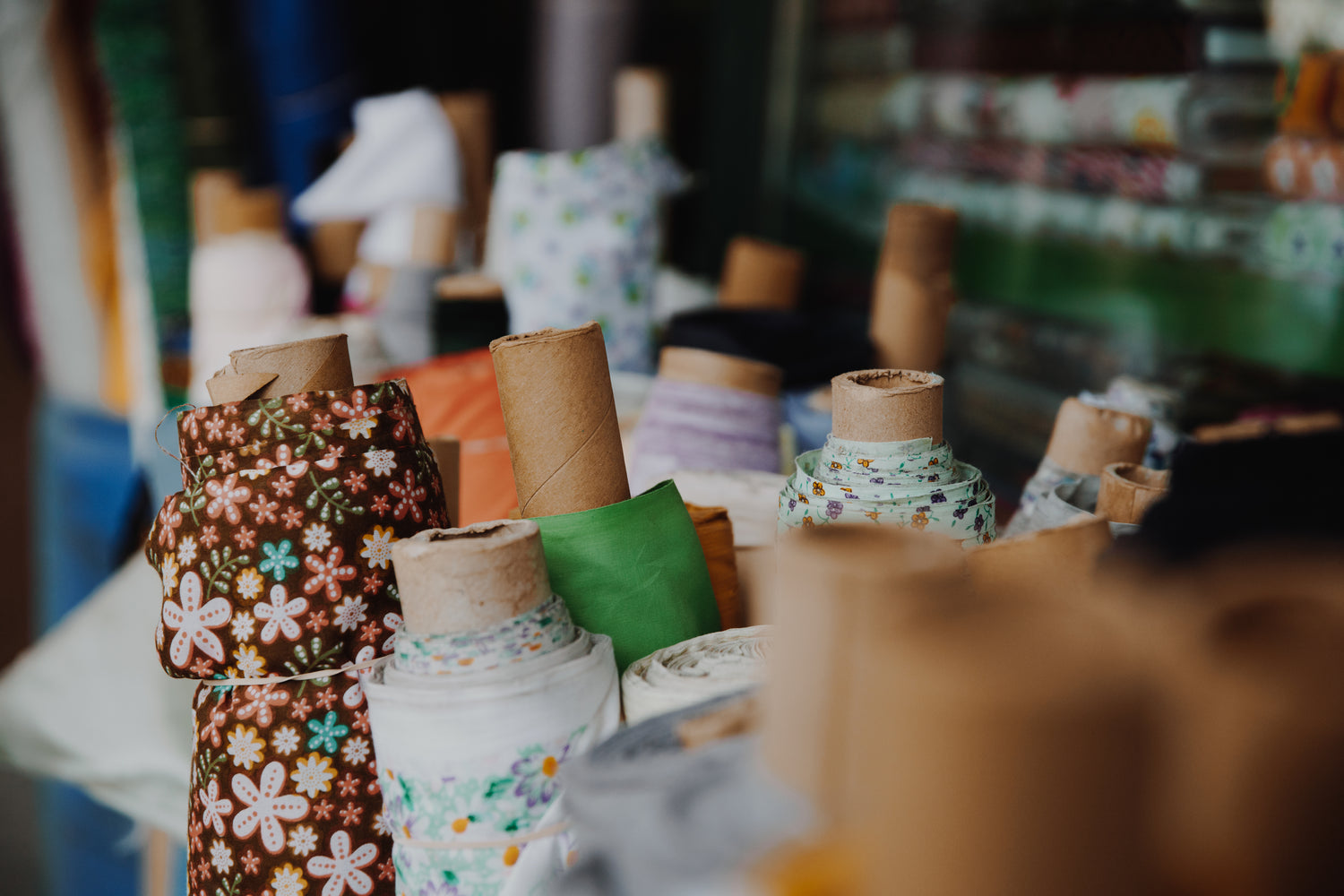
Why perfectly usable fabric ends up surplus in fashion & textiles production
Have you ever wondered how tonnes of new fabric can be discarded as waste despite its quality? The reality is stark - fashion production practices are built around excess and overconsumption.
In traditional garment manufacturing, brands and factories often purchase extra fabric, anticipating design changes, errors in production, or even just to meet bulk-order discounts (Business of Fashion, 2022). Often, this excess goes unused. Seasonal trends shift rapidly, and if demand doesn't meet forecasted sales, this fabric instantly loses its commercial value to manufacturers.
Fabric may become surplus due to production errors or discrepancies in quality checks, even if the flaws are minor or superficial – perfection is demanded. The fabrics remain entirely suitable for alternative purposes, yet they are often discarded due to logistical convenience or brand guidelines (Forbes, 2021).
Circular Living champions the idea of viewing surplus fabric as a resource, not waste. Redirecting this excess material into purposeful products, like our timeless homewares provides a sustainable pathway that benefits businesses, consumers, and the environment.
Why dog beds are the perfect solution for deadstock and surplus fabric
Deadstock fabric doesn't have to end up in landfill - it's the perfect resource for innovative, practical products, like dog beds.
Here’s why we think dog beds offer an ideal solution:
- Durability and quality: There is plenty of high-quality surplus material available on the market. Sturdy deadstock is ideal for products that need durability, such as dog beds, as they can withstand wear and tear while making use of otherwise unused materials.
- Environmental impact: By converting surplus textiles into functional items, Circular Living reduces environmental harm by preventing waste and reducing demand for new fabric production, lowering water usage, pollution, and carbon emissions.
- Ethical appeal and consumer alignment: Pet owners increasingly seek environmentally friendly options for their beloved animals. Products crafted from repurposed fabric offer an ethical choice aligned with consumer values.
- Your dog is less choosy about colour: Whilst we only select high quality and stylish fabrics our products are limited runs as the next time, we do a restock we only have the deadstock or surplus fabric market to source from.
Circular Living transforms surplus fabric into practical, sustainable dog beds, exemplifying how thoughtful repurposing can create products beneficial to consumers, pets, and the planet. This practice represents a perfect circular economy solution, giving fabric a second chance at usefulness and comfort, significantly reducing waste in the process.
Buying once, buying well: ending fast fashion consumerism
The rise of fast fashion has made it easy to buy cheaply and frequently, but this convenience comes at a high environmental and ethical cost. Fast fashion thrives on rapid trends, low prices, and disposable garments, fostering a throwaway culture that contributes to staggering levels of waste and pollution.
Buying once and buying well is a powerful antidote to this cycle, and an ethos behind Circular Living, the brand exists to make markets for deadstock and surplus fabric.
It means consciously choosing durable, well-made items designed to last. This reduces the overall environmental footprint and saves money long-term, breaking the cycle of impulsive purchases.
Here's how we as consumers can shift our mindset:
- Choose quality over quantity: Opting for fewer, higher-quality items reduces resource waste and landfill contributions.
- Spend wisely - support sustainable brands: Brands prioritising ethical production and durable materials are essential in promoting sustainability
- Care and repair: Extending the lifespan of garments through proper care and repairing instead of discarding them significantly reduces environmental impact.
Circular Living advocates for thoughtful consumption, guiding consumers towards long-term, sustainable purchasing decisions that help dismantle the damaging fast fashion cycle.
If you don’t need a new dog bed or homewares, please don’t buy them – but if you do, please do your research and consider our brand when making that long-term purchase.
Why deadstock fabric is an environmental issue
Deadstock fabric, which is the term widely used for the unsold or unused material leftover from textile manufacturing and fashion production, poses a significant environmental issue. Each year, millions of metres of perfectly usable fabric end up in landfills, unnecessarily contributing to waste and pollution. But why is this happening?
The core of the problem lies in fashion’s rapid production cycles. Brands often over-order fabrics, anticipating future demand. If a design changes, or if anticipated sales do not materialise, the leftover textiles - called "deadstock" - are considered waste, even though they're brand new, high-quality, and perfectly usable.
Environmental implications of deadstock fabric are immense. Producing textiles requires vast resources, many not immediately obvious such as water, energy, chemicals, and land.
To produce one kilogram of fabric, it's estimated that roughly 20,000 litres of water can be used, along with significant CO₂ emissions from manufacturing (Ellen MacArthur Foundation, 2021). When fabric is wasted, all these resources are wasted too.
Additionally, synthetic textiles - such as polyester - do not biodegrade easily, releasing microplastics and chemicals into the soil and waterways when dumped in landfill sites, further contaminating ecosystems (The Guardian, 2021).
Circular Living believes that recognising and tackling the issue of deadstock fabric is crucial for moving toward sustainable fashion and a healthier planet. By repurposing this surplus into new products, we can drastically reduce waste and environmental harm. Which is where our dog beds and homeware range came from.
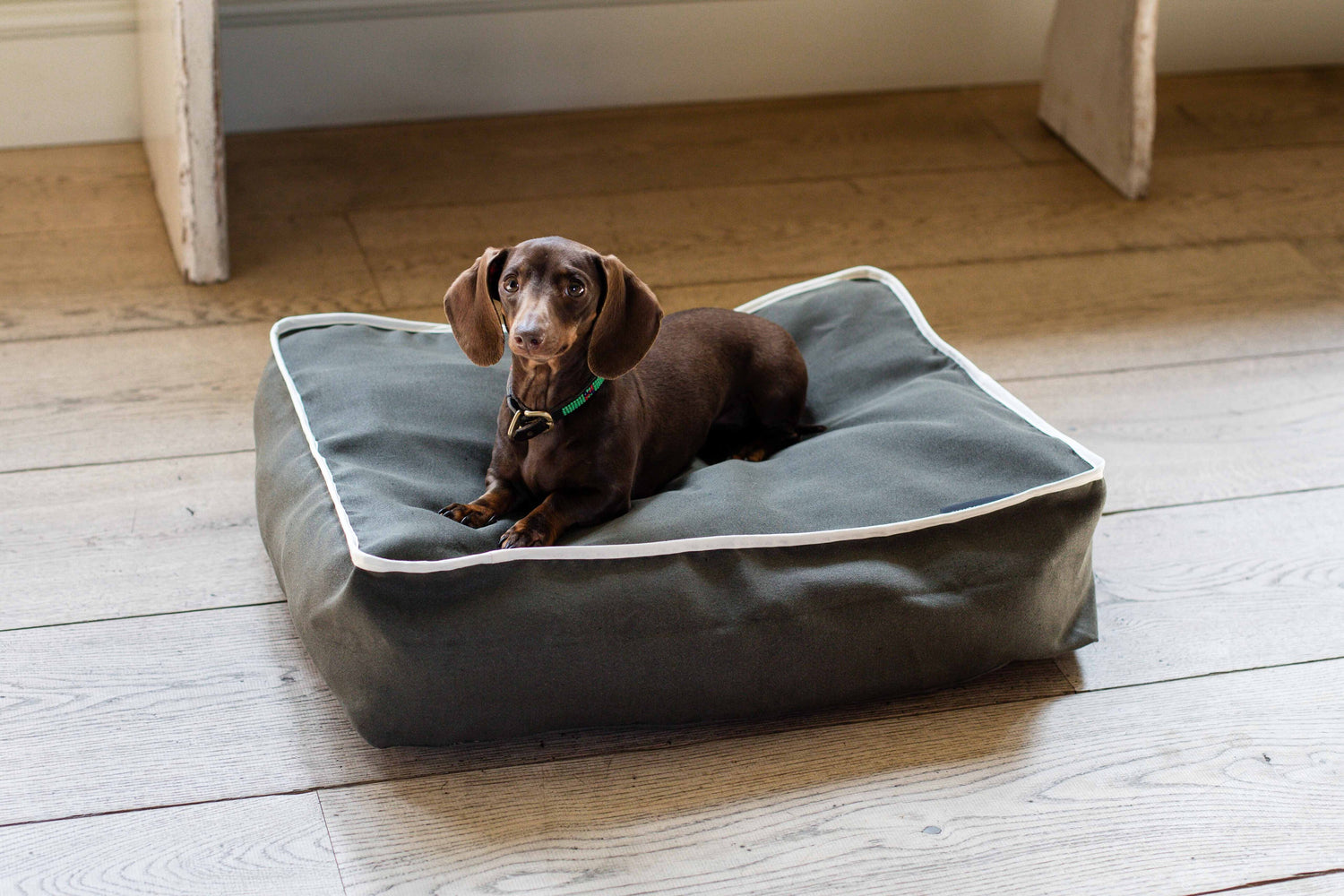
Did you see Circular Living featured in the Telegraph ‘recommended dog beds?
Our popular Cooper dog bed made the cut after being tested by some four-legged friends, and their opinion is the one that matters right?
We understand that the human tester was a little disappointed that Cooper only comes in one colour - however that is intrinsically linked to our mission - we use deadstock fabric. To ensure the Cooper is as planet friendly as possible we have what we like to call limited edition colours and when they sell through we will go out to textile buyers and mills to find a replacement deadstock fabric. You can be assured it will always be a timeless, classic fabric that fits seamlessly into any home, but also know that you are helping us in our mission to find end-markets for deadstock.
Plus, if Cooper isn’t your colour we do have Billy which is a grey/brown fabric with a subtle jacquard check weave to the durable double cotton mix and as the testers commented that soft and supportive inner.
Thanks again to The Telegraph and their four-legged reviewers!
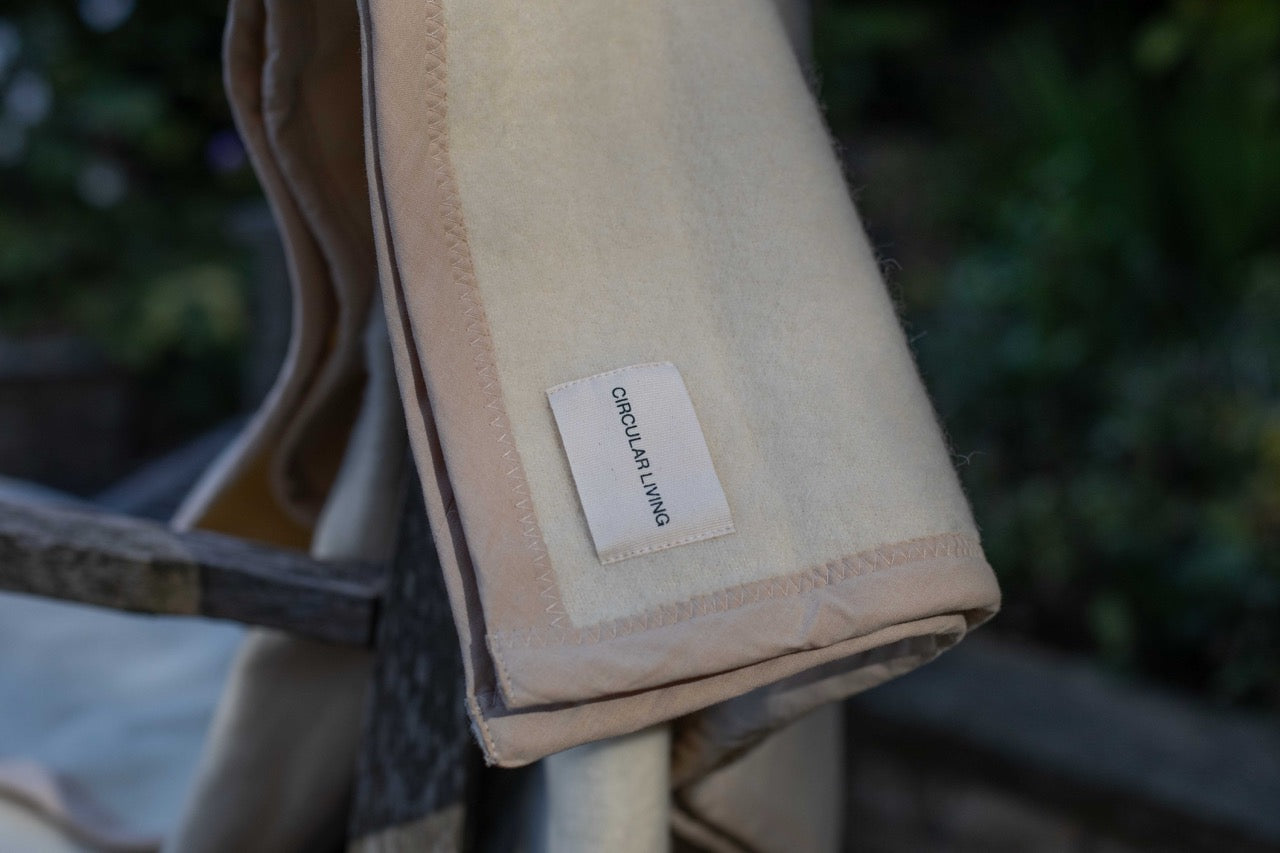
Introducing the Natural Throw: A Timeless Blend of Comfort and Sustainability
It is our mission to find a market for unwanted textiles and fabrics. Circular Living is delighted to unveil our latest addition to the home collection - the Natural Throw. Crafted from 100% recycled wool, this eco-conscious blanket embodies our commitment to sustainable living while offering unparalleled comfort.
Evoking feelings of nostalgia, our timeless warm recycled blanket is made from 100% recycled wool. Edged in 100% cotton ribbon and zig-zag stitching in a contrasting latte colour to make it durable for any beach day, cosy night in or swaddling loved ones, this delicate off-white colourway will fit in any interior.
Measuring 150cm x 200cm, the Natural Throw is generously sized to provide warmth and coziness for any occasion, be it a beach day, a cozy night in, or swaddling loved ones. Its delicate off-white hue seamlessly complements any interior décor, adding a touch of understated elegance to your living space.
Handcrafted in Bulgaria, each throw reflects meticulous attention to quality and sustainability, what’s more even though it is 100% wool it can be laundered at 30 degrees – meaning it teams durability with comfort.
Embrace the perfect fusion of nostalgia, comfort, and eco-friendly living with the Natural Throw - now available for £89.00. Experience the warmth and sustainability that define Circular Living.